June 1, 2026 · 12 min read
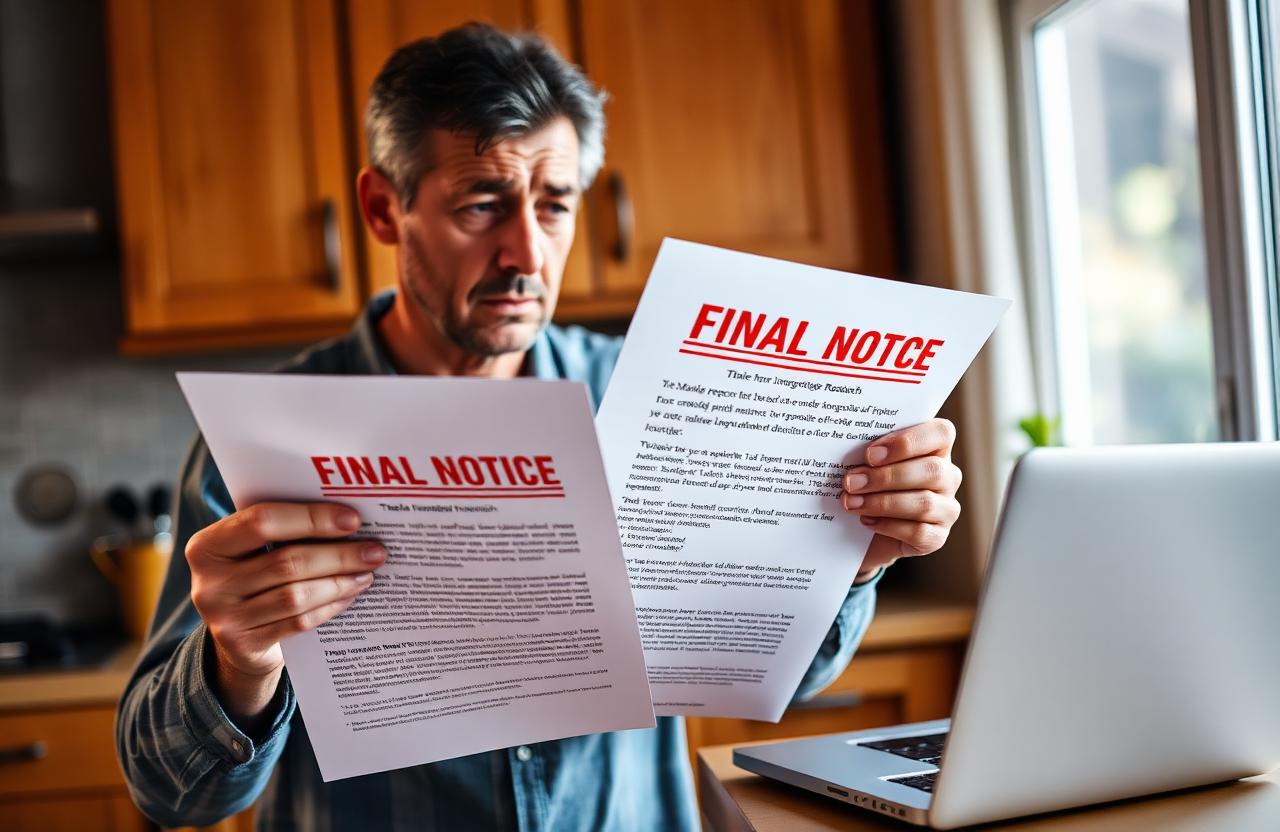
Have you received a mortgage protection letter in the mail that looked official?
Maybe it said:
- "Final Notice"
- "Response Required"
- "Mortgage Protection Department"
- "Immediate Action Needed"
If so, you may be wondering:
Is mortgage protection insurance a scam?
The short answer is:
No, mortgage protection insurance itself is not a scam.
Mortgage protection insurance is a legitimate insurance product designed to help protect homeowners and their families if the insured person dies unexpectedly.
However, some marketing tactics and dishonest sales practices can make legitimate mortgage protection offers appear misleading.
In this guide, we'll explain the difference between legitimate mortgage protection insurance and mortgage protection plan scams, along with the warning signs every homeowner should know before purchasing coverage.
Is Mortgage Protection Insurance A Scam?
No.
Mortgage protection insurance is a real insurance product offered by licensed insurance companies.
The purpose of mortgage protection insurance is to provide financial protection that may help:
- Pay off a mortgage
- Cover housing expenses
- Protect surviving family members
- Reduce financial hardship after a death
Many homeowners use mortgage protection insurance as part of their overall financial protection strategy.
The problem isn't usually the insurance itself.
The problem is that some marketing materials and sales tactics can create confusion.
Why Do Mortgage Protection Letters Look Suspicious?
Many homeowners first encounter mortgage protection insurance through a letter received shortly after buying a home.
These mailers often contain phrases like:
- "Final Notice"
- "Mortgage Protection Alert"
- "Response Requested"
- "Time Sensitive"
Because they look official, some homeowners assume:
- The lender sent the letter
- The coverage is mandatory
- The mortgage company requires a response
In most cases, none of those assumptions are true.
These letters are usually advertisements from insurance agents or insurance companies marketing mortgage protection coverage.
How Mortgage Protection Companies Get Your Information
Many homeowners worry that someone sold their private information.
In reality, mortgage information is often part of the public record.
After you purchase or refinance a home, information such as:
- Name
- Property address
- Mortgage amount
- Loan date
may become publicly available.
Insurance marketers use this information to identify new homeowners who may need mortgage protection coverage.
This practice is legal and common throughout the insurance industry.
Common Mortgage Protection Plan Scam Red Flags
While most mortgage protection offers are legitimate, homeowners should still watch for warning signs.
Here are the biggest red flags.
Red Flag #1: The Company Claims Coverage Is Required
Mortgage protection insurance is never legally required by your mortgage lender.
If a salesperson tells you:
- You must purchase coverage
- Your mortgage requires coverage
- Your lender demands coverage
you should be cautious.
Mortgage protection insurance is generally optional.
Red Flag #2: Extreme Pressure To Buy Immediately
Legitimate insurance companies explain coverage and allow consumers time to make informed decisions.
Be cautious if someone says:
- "This offer expires today."
- "You must enroll immediately."
- "Coverage won't be available tomorrow."
High-pressure sales tactics are often a warning sign.
Red Flag #3: Refusal To Explain The Policy
Before purchasing any insurance policy, you should understand:
- Coverage amount
- Premium cost
- Policy term
- Beneficiary information
- Exclusions
If a salesperson avoids answering questions, walk away.
Red Flag #4: Guaranteed Approval Without Questions
While some mortgage protection policies offer simplified underwriting, legitimate insurers still evaluate risk.
Be skeptical of claims such as:
- "Everyone qualifies."
- "Guaranteed approval regardless of health."
- "No questions asked."
Always verify policy details.
Red Flag #5: The Company Isn't Licensed
Insurance companies and agents must generally be licensed within the state where they conduct business.
Before purchasing coverage:
- Verify the company's license
- Verify the agent's license
- Check state insurance department records
A legitimate insurer should have no problem providing this information.
Red Flag #6: Unclear Premium Information
You should know exactly:
- What you'll pay
- How often you'll pay
- Whether premiums can increase
Never purchase a policy without understanding the costs.
Red Flag #7: The Policy Doesn't Match Your Needs
Sometimes the biggest mistake isn't fraud.
It's buying coverage that doesn't fit your situation.
Examples include:
- Coverage that's too small
- Coverage that's too expensive
- Policies with decreasing benefits
- Policies that duplicate existing life insurance
Always compare options before buying.
How To Verify A Mortgage Protection Company
Before purchasing coverage, take a few minutes to research the company.
Check Online Reviews
Look for patterns in customer feedback. A few negative reviews are normal. Repeated complaints may indicate a problem.
State Insurance Licensing
Verify that the company and agent are licensed in your state.
Financial Strength Ratings
Research the insurer's financial stability. Large, established insurers generally provide greater confidence.
Policy Documentation
Review all policy materials before making a decision. Never rely solely on a sales presentation.
Legitimate Mortgage Protection Insurance vs Scams
Here's a simple comparison.
| Legitimate Coverage | Potential Scam Warning |
|---|---|
| Licensed company | No license verification |
| Explains coverage clearly | Avoids policy details |
| Transparent pricing | Hidden costs |
| Answers questions | Uses pressure tactics |
| Optional purchase | Claims coverage is required |
| Written policy documents | Verbal promises only |
Should You Buy Mortgage Protection Insurance?
Mortgage protection insurance may be worth considering if:
- You recently purchased a home
- Your family depends on your income
- You have a significant mortgage balance
- You want additional financial protection
However, mortgage protection insurance is only one option.
Many homeowners also compare:
- Term life insurance
- Mortgage protection insurance
- Whole life insurance
Understanding the differences can help you choose the right solution.
How To Avoid Mortgage Protection Plan Scams
Use these simple guidelines.
Research The Company
Never buy coverage without researching the insurer.
Verify Licensing
Confirm licensing through your state's insurance department.
Read The Policy
Review the actual policy — not just marketing materials.
Compare Multiple Quotes
Never purchase the first policy you see. Comparing options often reveals significant differences in pricing and coverage.
Ask Questions
A reputable agent should be willing to explain coverage, costs, exclusions, beneficiaries, and policy details without pressure.
Free: MPI vs Term Life Guide (PDF)
A 5-page side-by-side comparison written by a licensed agent.
No spam. Unsubscribe anytime.
Frequently Asked Questions
Final Thoughts
Mortgage protection insurance itself is not a scam. In fact, it can provide valuable financial protection for homeowners who want to help ensure their family can remain in the home after an unexpected death.
However, not every marketing offer deserves immediate trust. Before purchasing coverage, verify the company, research the insurer, compare multiple options, and understand the policy details.
The best way to avoid mortgage protection plan scams is to become an informed consumer. Taking a few extra minutes to research your options can help you find legitimate coverage that truly protects your family's financial future.